The final Countdown!
[Last Update: 22.11.2016]
சிவாய நம என்றால் = பிறப்பு அளிப்பது + வரம் அளிப்பது + பிறப்பு அழிப்பது
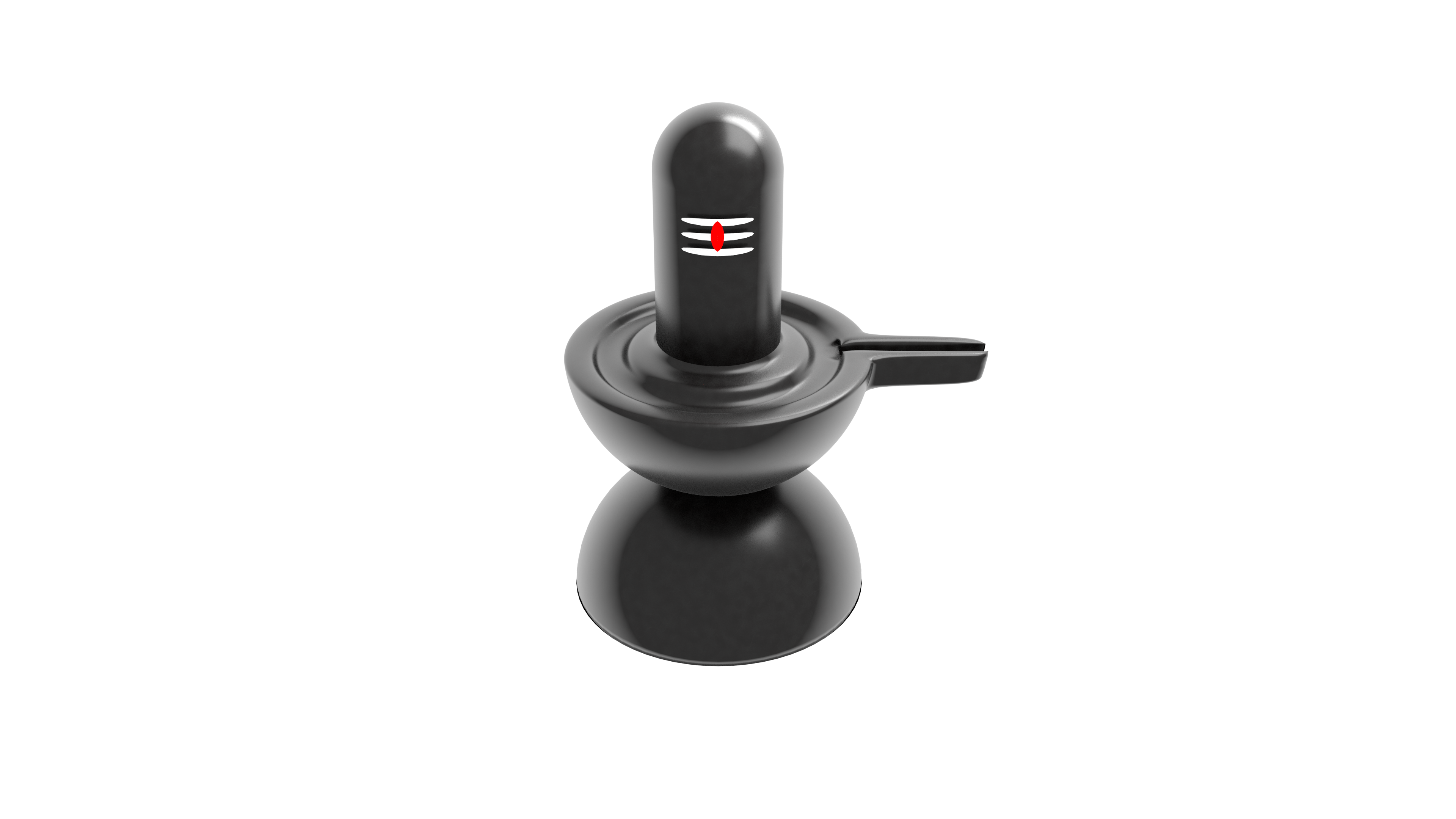
Shivalingam with Transparent Background


[Last Update: 22.11.2016]
சிவாய நம என்றால் = பிறப்பு அளிப்பது + வரம் அளிப்பது + பிறப்பு அழிப்பது
Shivalingam with Transparent Background
[Last Update: 13th June 2020]
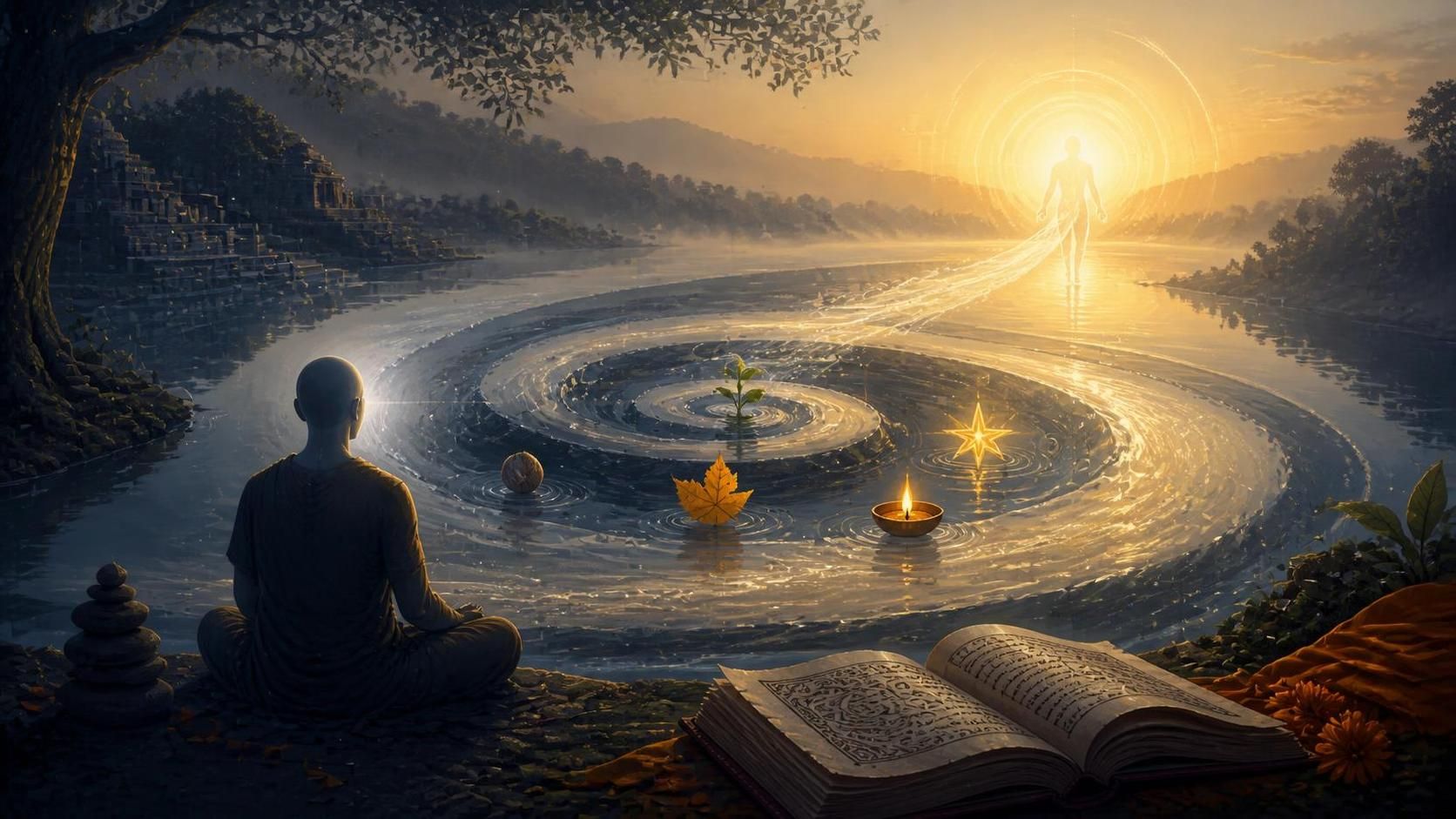
In contrast to other religions or philosophies Hinduism describes life as a cycle. I would prefer to describe it as a spiral because the Visual match with the actual formalism of Hinduism. The constant change of the body is also called rebirth which is based on the rules of karma. The karma is nothing more than the reward of our actions. How the reward falls is depending on our actions of each individuals from the past births till to the current birth.
German Edition
The German version of the book with the title "Die Upanischaden " (ISBN: 978-3-442-21826-4) von Eknath Easwaran which is translated into German by Peter Kobbe is a good introduction about the Upanishads.

The German Edition is available here.

Original Edition in English
The Upanishads - Introduced and translated by Eknath Easwaran, Reprint: 2007,
ISBN 978-1-58638-021-2

The English edition of the book is available here.
Brihadaranyaka-Upanishad IV.5:
You are what your deep, driving desire is.
As your desire is, so is your will.
As your will is, so is your deed.
As your deed is, so is your destiny.
→ This excerpt from the Upanishads reveals the core of Hinduism.
எது நடந்ததோ, அது நன்றாகவே நடந்தது.
Whatever happened, it went well.
எது நடக்கிறதோ, அது நன்றாகவே நடக்கிறது.
Whatever is happening, it is happening well.
எது நடக்க இருக்கிறதோ, அதுவும் நன்றாகவே நடக்கும்.
Whatever is going to happen, it will happen well.
உன்னுடையததை எதை இழந்தாய், எதற்காக நீ அழுகிறாய்?
What did you lose of yours that you’re crying?
எதை நீ கொண்டு வந்தாய், அதை நீ இழப்பதற்கு?
What did you bring (to this earth), that to lose?
எதை நீ படைத்திருந்தாய், அது வீணாவதற்கு?
What did you create, that to be wasted?
எதை நீ எடுத்துக் கொண்டாயோ, அது இங்கிருந்தே எடுக்கப்பட்டது.
What you took, was taken from here.
எதை கொடுத்தாயோ, அது இங்கேயே கொடுக்கப்பட்டது.
What you have given, was from here.
எது இன்று உன்னுடையதோ, அது நாளை மற்றொருவருடையதாகிறது.
What is yours today, belongs to somebody else tomorrow.
மற்றொரு நாள் அது வேறொருவருடையதாகும்.
Another day, it belongs to someone else.
இதுவே உலக நியதியும், எனது படைப்பின் சாராம்சமாகும்.
These changes are laws of this Universe and the essence in my creation.
The only thing that everybody takes from this world and bring back to a new life (rebirth) is his karma.

Achtung Ironie = Warning irony!
The author or the holder of the domain name is not responsible for the misinterpretation of the posted contents here. Every reader is self-responsible for the resulting damage 😉